Introduction
Have you ever felt like something just isn’t right with your child’s behavior — mood swings, tantrums, fatigue — but can’t quite figure out why? Many of these signs are often dismissed as “just a phase.” But what if the real issue is on their plate?
Food is not just fuel — it’s information. It talks directly to your child’s brain, hormones, gut, and emotions. Below are 5 common behavioral signs that may be linked to what your child eats (or doesn’t eat).
1. Irritability and Sudden Mood Swings
Spikes in blood sugar — followed by sudden crashes — can create emotional turbulence. Highly processed foods rich in refined carbohydrates (like white bread, sugary cereals, or sweetened drinks) can overstimulate a child’s nervous system, leading to outbursts, meltdowns, or emotional lows.
2. Fatigue or Low Energy (Even After Meals)
It may sound odd, but many children today are chronically tired — despite eating all day. This is often due to empty-calorie diets that lack real nutrients like iron, magnesium, B vitamins, and healthy fats. These are the nutrients that support brain function and stamina. A child may be full, but not truly nourished.
3. Trouble Concentrating and Learning Difficulties
A well-fed brain learns faster and retains better. But a brain fed on sugar, additives, and preservatives? Not so much. Research has linked diets high in ultra-processed foods to attention problems and hyperactivity. Nutrient deficiencies can also impact language, memory, and behavior regulation.
4. Anxiety or Mealtime Tantrums
Does your child seem anxious, overwhelmed, or overly sensitive around food? Does every meal feel like a battle? These are often signs of emotional dysregulation tied to poor eating habits. Children who rely heavily on processed snacks and simple carbs may be missing key nutrients that support emotional balance.
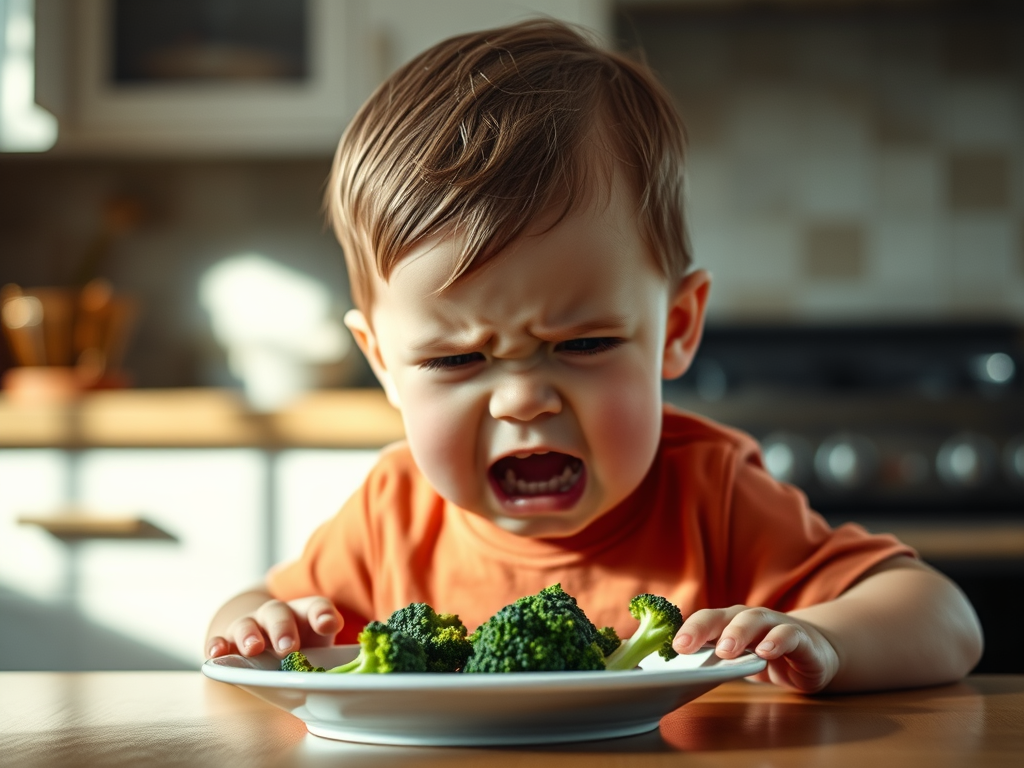
5. Severe Food Selectivity
It’s normal for toddlers to go through picky phases. But when a child eats only 4 or 5 foods — usually white, crunchy, and packaged — it may signal deeper issues. Long-term selectivity often leads to nutrient deficiencies, gut imbalance, and impaired physical and cognitive development.
Final Thoughts
Watching your child struggle with mood, energy, or focus can feel overwhelming. But sometimes, the answer isn’t more therapy or discipline — it’s better food.
What we feed our children today will shape who they become tomorrow.
👉 In my next blog post, we’ll explore what real food actually means — and how you can start simple changes that make a big difference in your child’s health and future.